
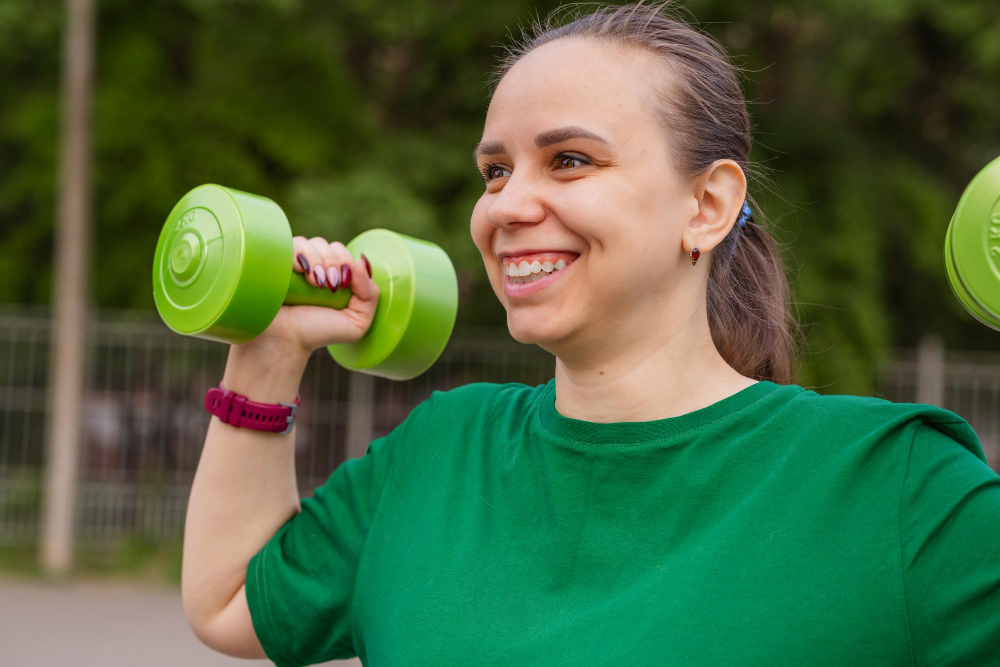

This page is for NDIS participants, families, and support coordinators seeking to understand how Exercise Physiology can help achieve disability-related goals. This guide explains what NDIS Exercise Physiology is, who it is for, the kinds of goals it can support, what sessions usually look like, and how to make sure it is set up properly in your plan. It covers what NDIS Exercise Physiology is, who it suits, the types of goals and outcomes it supports, and how to access these services through your NDIS plan.
NDIS Exercise Physiology at a Glance
NDIS Exercise Physiology provides tailored, evidence-based exercise programs by Accredited Exercise Physiologists (AEPs) to boost functional capacity, independence, and well-being for people with disabilities. These services are funded under the NDIS Capacity Building support budget and are explicitly recognised in the NDIS Pricing Arrangements and Price Limits. They fall under the Capacity Building categories of Improved Health and Wellbeing and Improved Daily Living Skills.
Exercise Physiology under the NDIS is a practical, goals-based therapy that uses tailored exercise to improve day-to-day function, independence and confidence. It can help if you are working on mobility, balance, endurance, fatigue management, pain, safe participation in community life, or building routines that support your physical and mental wellbeing. It suits children, teens and adults, as long as the support links clearly to your disability-related goals and outcomes. The NDIS provides support for Australians with permanent and significant disabilities, and this support extends to families and carers, recognising their vital role in managing and accessing supports. NDIS Exercise Physiology offers holistic benefits, including improved mobility, muscle strength, flexibility, and overall well-being. Improvements in health and function matter for everyone, regardless of ability. The value of exercise physiology lies in its significant long-term benefits and improved quality of life for participants.
What is Exercise Physiology under the NDIS?
Exercise Physiology (EP) under the NDIS provides tailored, evidence-based exercise programs by Accredited Exercise Physiologists (AEPs) to boost functional capacity, independence, and overall well-being for people with disabilities. Exercise Physiology is a specialised form of exercise designed to meet the specific needs of individuals with disabilities.
Exercise Physiology is an allied health service that uses evidence-informed exercise and movement strategies to improve health and function. It is a recognised allied health service that supports people with chronic health problems and disabilities. Under the NDIS, it usually sits within therapy supports that aim to build or maintain skills and independence, with clear goals and measurable outcomes. Exercise physiologists have a deep understanding of how the body responds to exercise, allowing them to design effective interventions tailored to individual needs.
A qualified Exercise Physiologist will typically:
- assess your current function, movement patterns, strength, balance, endurance and day-to-day participation
- link therapy goals to practical outcomes (for example, walking to the local shops safely, managing fatigue at school, or reducing falls risk at home)
- design a program that is realistic for your life (home, school, community, gym, hydrotherapy pool, or a mix)
- develop personalised exercise programs that may include resistance training, cardiovascular exercises, flexibility exercises, and balance or coordination work
- track progress with simple measures and adjust over time based on what is working
Who provides Exercise Physiology?
In Australia, Accredited Exercise Physiologists (often called AEPs) are accredited through Exercise and Sports Science Australia (ESSA), which is recognised as a key accrediting body for the profession.
Is Exercise Physiology funded by the NDIS?
It can be, when it meets the NDIS “reasonable and necessary” requirements and links to your disability-related goals. Exercise physiology is an approved support item within the NDIS framework, and ndis funding can be used for these services when they are related to your disability needs.
Exercise physiology services are included under the NDIS Capacity Building support budget. Exercise physiology is explicitly recognised in the NDIS Pricing Arrangements and Price Limits. Participants do not require a specific line item for exercise physiology in their NDIS plan, unless their Capacity Building budget includes stated supports for another service. Having a well-structured NDIS plan that covers therapeutic supports like exercise physiology is important to ensure you can access the services you need.
NDIS therapy supports are intended to help you build or maintain skills and independence, including things like mobility and movement, personal care, and community living.
A practical way to think about it is:
- If the exercise program is helping you do everyday life more safely or independently, it is easier to justify.
- If it is general fitness without a clear disability-related goal, it is harder to justify.
The NDIA also sets price limits for some supports, and the relevant catalogues and pricing arrangements indicate what can be claimed (for example, whether non-face-to-face activities or travel rules apply).
Who Exercise Physiology under the NDIS suits
Exercise Physiology can suit a wide range of participants because it is about function, . NDIS Exercise Physiology is focused on supporting people with disabilities to improve their wellbeing and independence through tailored movement and activity programs and thus improve their functional capacity. It is often a good fit if you want to build capacity for everyday life, including school, work and community participation.
It commonly suits people who want support with:
- Mobility and balance
- improving walking tolerance
- safer transfers (bed to chair, sit to stand)
- reducing falls risk through balance and strength work
- enhancing motor skills through structured movement activities
- Strength, posture and movement control
- building lower limb strength for stairs and getting up from the floor
- improving core stability for sitting balance and confidence
- strength training (such as resistance exercises) to improve mobility, balance, and overall quality of life
- Endurance and community participation
- building stamina for shopping, appointments, school days, or shift work
- pacing strategies so energy lasts longer across the day
- Pain and fatigue management
- graded activity to avoid boom-bust cycles
- strategies for flare-ups and consistent routines
- Neurological and complex conditions
- programs tailored for coordination, spasticity management, mobility aids, and functional confidence
- Psychosocial and emotional wellbeing goals
- Exercise can be part of a broader plan to support routine, motivation, sleep, self-efficacy and confidence, when it is disability-related and coordinated with Psychology/Counselling or other supports. There are multiple studies that support the benefit of exercise and mental health functional capacity.
Exercise Physiology is a recognised allied health service that supports people with chronic health problems, neurological conditions, and other disabilities. Exercise Physiologists develop personalised exercise programs that consider each participant’s specific abilities, limitations, and health conditions.
A good provider will also tell you when Exercise Physiology is not the right starting point, and when you may need Physiotherapy, Occupational Therapy, or a medical review first.
Common NDIS Exercise Physiology goals and the outcomes you can track
NDIS therapy supports work best when goals are specific and measurable. The NDIA’s therapy supports guidance is clear that therapy plans should show how goals and outcomes will be measured, and progress may be required for plan reassessment.
NDIS Exercise Physiology offers targeted interventions that significantly improve functional outcomes for many participants. The benefits of these services include measurable improvements in health, independence, and quality of life, which can be tracked through well-defined goals and outcomes.
Here are examples of strong, real-world goals, paired with outcomes that are easy to track.
Daily living and independence goals
Goal: Stand to prepare meals safely.
- Outcome measures: time standing at bench, number of rest breaks, confidence rating, pain rating after activity.
Goal: Get dressed with less assistance.
- Outcome measures: ability to do steps independently, fatigue score, time to complete routine.
Community access goals
Goal: Walk to the local shop and back safely.
- Outcome measures: distance, gait aid use, balance confidence, number of stops.
Goal: Use public transport more confidently.
- Outcome measures: stair tolerance, standing balance on moving train or bus, endurance across the trip.
Work and study goals
Goal: Manage fatigue across a school day.
- Outcome measures: pacing plan adherence, energy levels at key times, recovery time after school.
Goal: Return to part-time work with less flare-up.
- Outcome measures: activity tolerance, symptom flare frequency, capacity across shifts.
Health and safety goals
Goal: Reduce falls risk at home.
- Outcome measures: balance tests, leg strength markers, number of near-misses, confidence with transfers.
Goal: Improve safe participation in sport or recreation.
- Outcome measures: movement quality, injury risk markers, tolerance and recovery.
What Exercise Physiology sessions look like
Every provider is different, but most NDIS Exercise Physiology follows a consistent pattern. An NDIS exercise physiology session typically involves tailored activities to improve motor skills, flexibility, and balance, and can be conducted in your home, community locations, or via telehealth. These sessions are delivered by Accredited Exercise Physiologists (AEPs) and are designed to boost functional capacity, independence, and overall well-being for people with disabilities.
Session 1: Assessment and goal mapping
Your Exercise Physiologist will usually:
- ask about your diagnosis, current supports, medications and relevant medical history
- explore your NDIS goals and what matters day to day
- assess functional movement (strength, balance, endurance, gait, posture)
- identify barriers (pain, fatigue, confidence, sensory or environmental factors)
- agree on a starting plan and what progress will look like
Early sessions: Building a program that fits real life
This is where the work becomes practical.
- exercises matched to your ability and equipment access
- strategies for pacing and fatigue
- movement practice for real tasks (stairs, transfers, getting up from the floor)
- education for safe technique and how to self-manage between sessions
Ongoing sessions: Progression, confidence and handover
Over time, sessions often shift towards:
- progressing load and complexity safely
- building independence so you can do more without direct support
- integrating routines into home, school, work or community settings
- coordinating with other clinicians if needed
Where sessions can happen
Depending on your plan and needs, sessions may occur:
- at home
- at school (where appropriate and agreed)
- in the community (parks, local walking routes)
- in a clinic or gym
- via telehealth for coaching, review and program updates
Collaboration with Health Professionals
Collaboration is at the heart of effective exercise physiology services under the NDIS. Accredited exercise physiologists work hand-in-hand with other health professionals—including occupational therapists, physiotherapists, and support coordinators—to ensure that every NDIS participant receives a truly holistic and tailored approach to their care.
This team-based model means that assessment findings, expertise, and insights are shared across disciplines, allowing for the development of exercise programs that are precisely matched to each participant’s unique needs, abilities, and NDIS goals. Whether the focus is on improving functional capacity, building mobility, or supporting overall well-being, this collaborative approach ensures that no aspect of a participant’s health or daily life is overlooked.
Exercise physiologists registered with Exercise and Sports Science Australia (ESSA) play a key role in this process. They work closely with support coordinators to identify the most effective NDIS exercise physiology services and to ensure that funding for exercise physiology is used in a way that delivers real, measurable outcomes. By drawing on the expertise of the broader allied health team, exercise physiologists can design evidence-based exercise programs that address the challenges faced by people living with a permanent and significant disability.
Support coordinators are instrumental in bringing together the right mix of health professionals and services. They help participants navigate the NDIS framework, understand their funding options, and access the supports that will best help them achieve greater independence and better health. By fostering open communication and regular review, support coordinators ensure that each participant’s plan remains relevant and responsive to their changing needs.
NDIS pricing arrangements and price limits are designed to make these collaborative, high-quality services accessible. Exercise physiology services are funded under the Capacity Building Supports budget, with clear guidance on what can be claimed and how services should be delivered. This structure supports the delivery of tailored, evidence-based programs that focus on improving functional capacity, mobility, and overall well-being.
Ultimately, collaboration between exercise physiologists and other health professionals means that NDIS participants benefit from a coordinated, person-centered approach. By working together, the allied health team can help participants overcome challenges, achieve their NDIS goals, and enjoy a better quality of life with greater independence and confidence.
Exercise Physiology vs Physiotherapy vs Occupational Therapy
People often ask which service they need first. Here is a simple way to decide.
Physiotherapy is often best when:
- Passive therapies might be more beneficial such as someone who is bed bound and has little to no motor control
- Fine motor movement as opposed to gross motor movement
Occupational Therapy is often best when:
- the focus is daily living tasks, assistive technology, sensory needs, home modifications, or functional capacity assessment
Exercise Physiology is often best when:
- you need a structured, progressive movement plan to build capacity over time
- the goal is endurance, strength, confidence, participation and routine
In practice, these supports overlap. The best outcomes often come from a coordinated approach, with each discipline working in its lane.
How to make sure your plan supports Exercise Physiology
If you already have Capacity Building funding, the next step is usually to confirm:
- which budget line it is coming from
- what the expected outcomes are
- how progress will be measured and reported
If you do not have it in your plan yet, a strong request typically includes:
- your NDIS goals (written exactly as they appear in your plan)
- what is currently hard (functional impact in daily life)
- why Exercise Physiology is the right support (and why other supports alone are not enough)
- what outcomes will change (measurable and time-bound)
- how it reduces reliance on other supports over time (where relevant)
A short report from an Exercise Physiologist or a multidisciplinary team note can help make the link between goals, function and outcomes clear.
Practical checklist: is NDIS Exercise Physiology right for you?
If you can tick most of these, you are usually in a good position:
- You have a disability-related goal that involves movement, endurance, confidence, reduction in physical risk ie falls, or improved participation due to issues releated to movement and/or endurance.
- You want a plan you can follow between sessions, not just something that happens in the appointment.
- You need support to progress safely, not just generic exercises.
- You want measurable progress for your next plan review.
- You are open to building habits and routines, not only short-term fixes.
Questions to ask an Exercise Physiologist before you start
Use these to keep things clear and outcome-focused:
- How will you link sessions to my NDIS goals?
- What outcomes will we measure, and how often?
- What will I be doing between sessions, and how will you support adherence?
- How do you adapt programs for fatigue, pain flare-ups, sensory needs, or confidence barriers?
- How do you coordinate with my other supports, like Physiotherapy, Occupational Therapy, or Psychology/Counselling?
- What reporting can you provide for plan reviews, and what does it include?
Referrer box
Who can refer: Participants, families, family members, Support Coordinators, Plan Managers, GPs, Paediatricians, Rehabilitation Specialists, School Learning Support teams (with consent), and Allied Health clinicians. Families can play an important role in referring and being involved throughout the process.
What to include in a referral (to speed things up):
- NDIS number and funding management type (self-managed, plan-managed, NDIA-managed)
- NDIS goals (copy and paste from the plan if possible)
- key functional challenges (what is hard at home, school, work, in the community)
- relevant medical history, precautions, recent reports (if available)
- preferred location for sessions (home, school, clinic, telehealth)
- any risks to plan for (falls risk, seizures, behaviour considerations, communication needs)
FAQs
1) What does an Exercise Physiologist do under the NDIS?
An Exercise Physiologist assesses function and designs a tailored, progressive exercise plan linked to your NDIS goals, then tracks outcomes and adjusts over time. These are linked to your disability and functional capacity.
2) Is NDIS Exercise Physiology only for people who want to go to a gym?
No. Sessions can be home-based, community-based, clinic-based, or supported via telehealth. The key is that the program fits your life and goals.
3) Can Exercise Physiology help with fatigue?
It can. Many programs focus on pacing, graded activity, and building endurance safely, with clear measures to track how energy changes over time.
4) How is Exercise Physiology different from Physiotherapy?
Physiotherapy often focuses on diagnosis, acute injury rehab and hands-on treatment. Exercise Physiology often focuses on longer-term programming, progression and capacity building.
5) Do I need a report for my plan review?
Often, yes. Therapy supports guidance notes that progress and measurable outcomes may be needed at reassessment, and therapy plans should show how goals are measured.
6) What should I bring to my first session?
Bring your NDIS goals, any recent reports, a list of current supports, and anything that helps explain what daily life looks like for you (fatigue patterns, mobility aids, pain triggers, school or work demands).
7) Can Exercise Physiology be part of a multidisciplinary approach?
Yes. Many participants benefit when Exercise Physiology is coordinated with Occupational Therapy, Physiotherapy, Speech Pathology, Psychology/Counselling, or Positive Behaviour Support (PBS), depending on goals.
Make a Referral
If you want to explore Exercise Physiology through Bloom Healthcare, the simplest next step is to Make a Referral with your NDIS goals and a short description of what daily life support you are aiming for. We will help match you with an Exercise Physiologist and map a plan that is practical, measurable, and built around real outcomes.