
Thriving Kids: what it is, who it is for, and what starts in October 2026
Thriving Kids is a national initiative that will roll out state and territory services from 1 October 2026 and is expected to be at scale from 1 January 2028.
It is designed to help children aged 8 and under with developmental delay and/or autism who have low to moderate support needs, and to support their families and carers.


Why Choose Bloom Healthcare
Trusted, accessible, and personalised care across Australia.

Experienced Team
Qualified therapists who care about your progress.

Fast Access
Get support without long wait times.

Australia-Wide
We support clients in every major region.

Personalised Plans
Tailored goals and support just for you.
Thriving Kids – At a glance

Timeframe
Rollout of services from 1 Oct 2026
At scale – expected from 1 Jan 2028

Who it is for
Children aged 8 and under with developmental delay and/or autism with low to moderate support needs.

What is still being finalised
The exact services and access pathways will be shared closer to commencement and will vary by state and territory.
What Thriving Kids is (and what it is not)
What it is
Thriving Kids is intended to create a clearer pathway to earlier supports for young children and families, with services delivered through states and territories.
The Australian Government information published so far indicates supports are expected to include:
- Information, advice and navigation
- Parenting supports and programs
- Targeted allied health supports
What it is not
Thriving Kids is not an NDIS plan and it is not an individual funding package.
It is also not yet a single, uniform national service model you can access the same way everywhere. The Government has said details about specific services and how to access them will be made available closer to commencement.
Start the Conversation
Have questions or need support? Use the form below and we'll be in touch.
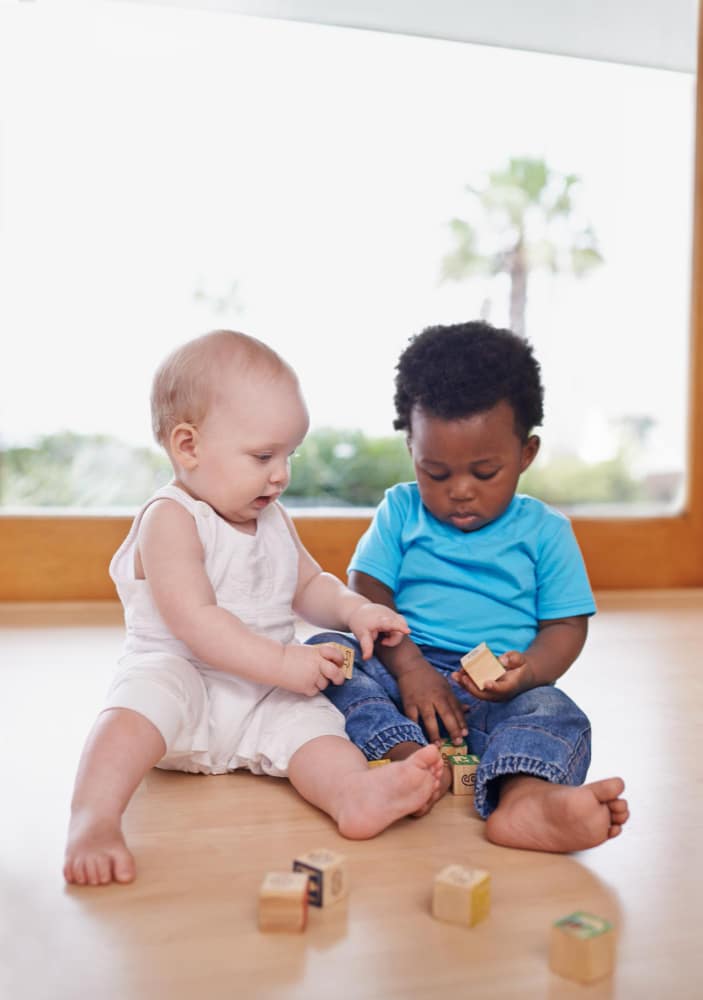
Who Thriving Kids is designed to support
Thriving Kids is designed for children aged 8 and under with developmental delay and/or autism with low to moderate support needs.
“Low to moderate support needs” is usually best understood in practical terms, not labels. For example, families might notice challenges with:
- communication (being understood, following instructions, social communication)
- daily routines (sleep, toileting, dressing, mealtimes)
- emotional regulation (big reactions, transitions, sensory overwhelm)
- participation (childcare routines, play, community outings)
- motor skills (coordination, balance, fine motor skills)
If you are unsure where your child fits, a functional, goal-based assessment can help clarify what support is most useful right now.
What about children with higher support needs?
The Government has stated that children with permanent and significant disability, including those with developmental delay and/or autism with high support needs, will continue to be eligible for the NDIS.
We’re Local – No Matter Where You Are
We service these areas across Australia, delivering in-home and community-based support.
What we know now, and what is still being finalised
What we know now
Based on the Government’s published information:
-
- Thriving Kids rolls out from 1 October 2026 and is expected to be at scale from 1 January 2028
- It is designed for children aged 8 and under with developmental delay and/or autism with low to moderate support needs
- Supports are expected to include navigation, parenting supports, and targeted allied health supports
What is still being finalised
The Government has said more information about specific services and access will be shared closer to commencement.
This typically includes:
-
- your local access pathway (where you start)
- the exact service menu in your area
- how eligibility will be applied in practice
- service availability and workforce capacity
What families can do now
If you are worried about your child, you do not need to wait for Thriving Kids to begin.
Here are practical steps you can take now:
-
- Write down the top 3 challenges you see across home, childcare, or community (real examples help).
- Turn concerns into goals, for example “We want our child to be able to…”
- Collect observations from childcare or preschool (what helps, what is hard, what triggers stress).
- Book a check-in with your GP or an allied health clinician if concerns are ongoing.
- Track progress using simple measures (what is easier now than three months ago?).
How Bloom can help
Bloom can support families to get clear on what is happening for their child now, set practical goals, and build skills that help at home, childcare, school, and in the community.
Depending on your child’s needs, Bloom services may include:
-
- Paediatrics (0-9 and 10-17) for whole-of-child planning, goal-setting, and coordinated support
- Speech Pathology for communication, language, social communication, and feeding support
- Occupational Therapy for regulation, sensory needs, daily living skills, fine motor skills, and school readiness
- Psychology/Counselling for anxiety, emotional regulation, behaviour support, and family coaching
- Physiotherapy for gross motor development, strength, balance, and coordination
- Exercise Physiology for fitness, routine, and participation (often helpful for older children and teens)
- Positive Behaviour Support (PBS) for complex behaviour, safety, and functional behaviour plans
- Dietitian for nutrition, growth support, and restrictive eating
If you are unsure where to start, Bloom can help you choose the right first step. CONTACT US
Additional Information
Referrer information (GPs, paediatricians, educators, coordinators)
Who can refer
Parents and carers, GPs, Paediatricians, Child and Family Health Nurses, early childhood educators, schools, Plan Managers, and Support Coordinators.
What to include
-
- child’s age and main concerns
- any reports (childcare, preschool, school, previous therapy)
- relevant medical history
- family priorities and goals
- best contact details
We are here whenever you need us
Bloom Healthcare acknowledges the Traditional Custodians of the land. We pay our respects to their Elders past and present, and extend that respect to all Aboriginal and Torres Strait Islander. We recognise their continuing connection to land, waters, and culture, and acknowledge that sovereignty was never ceded.