
NDIS-Registered Physiotherapy Services Across Australia
Improve independence, achieve personal goals, and get support that’s tailored to you — wherever you are in Australia.


Physiotherapy provides NDIS-registered services to help people of all ages improve mobility, manage pain, and regain independence. Personalised programs support injury recovery, neurological rehabilitation, aged care, and paediatric therapy, and can be delivered in-home or at clinics.
Why Choose Bloom Healthcare
Trusted, accessible, and personalised care across Australia.

Experienced Team
Qualified therapists who care about your progress.

Fast Access
Get support without long wait times.

Australia-Wide
We support clients in every major region.

Personalised Plans
Tailored goals and support just for you.
How Physiotherapy with Bloom Works

We Listen to Your Needs
Our therapists learn what matters most to you.

We Build Your Plan
Together, we design a support plan that meets your goals.

We Support You
Hands-on guidance and regular check-ins to help you succeed.
Start the Conversation
Have questions or need support? Use the form below and we'll be in touch.
Our Physiotherapy Services Include:
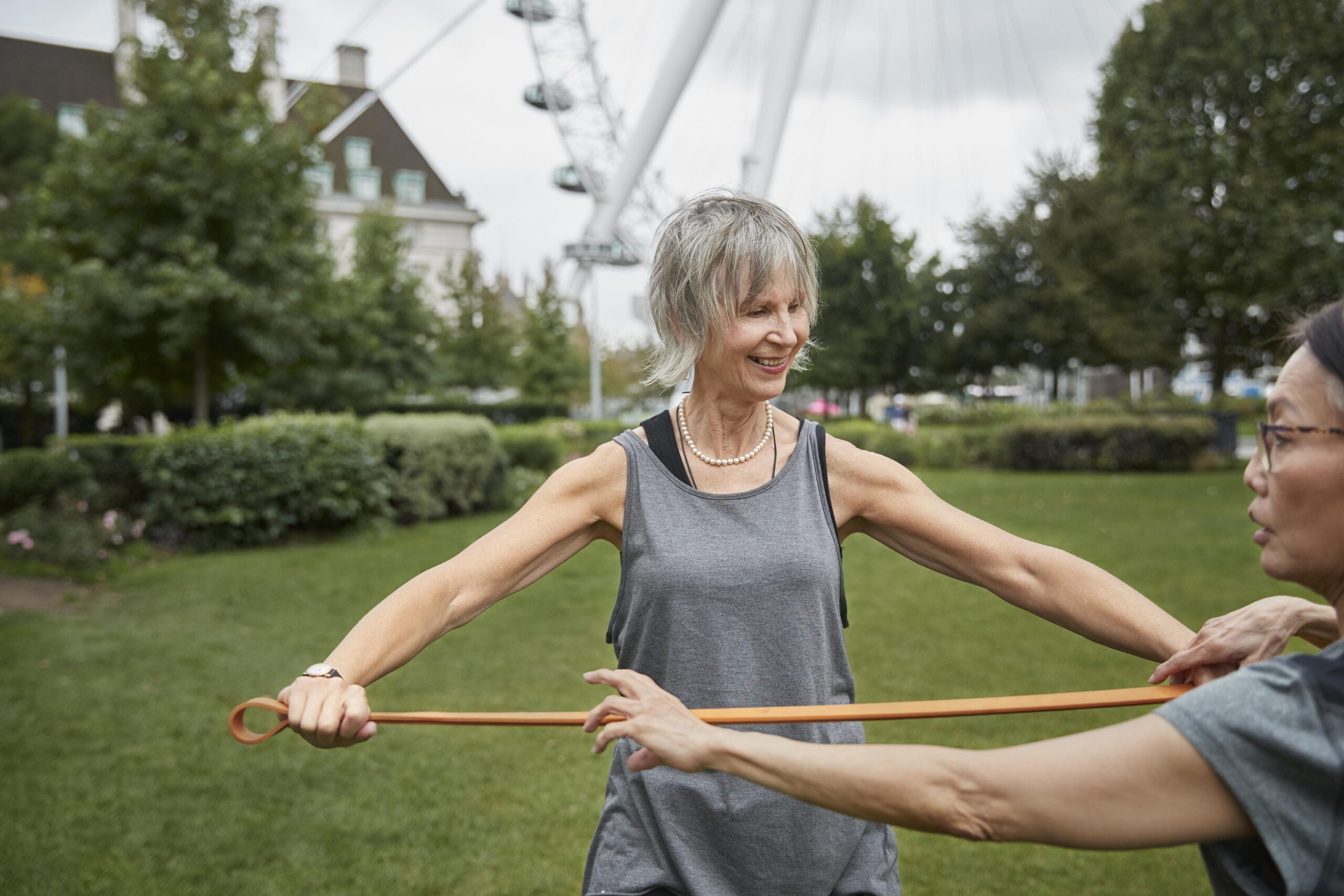

Neurological Rehabilitation

Hydrotherapy

Paediatric Therapy
Other services

Beds and Mattresses Prescription

Hoist and Sling Assessment Prescription

Functional Capacity Evaluations

In-home Therapy Support

Cognitive Rehabilitation

Shower & Commode Chairs Prescription

Stroke & Neurological Therapies
We’re Local – No Matter Where You Are
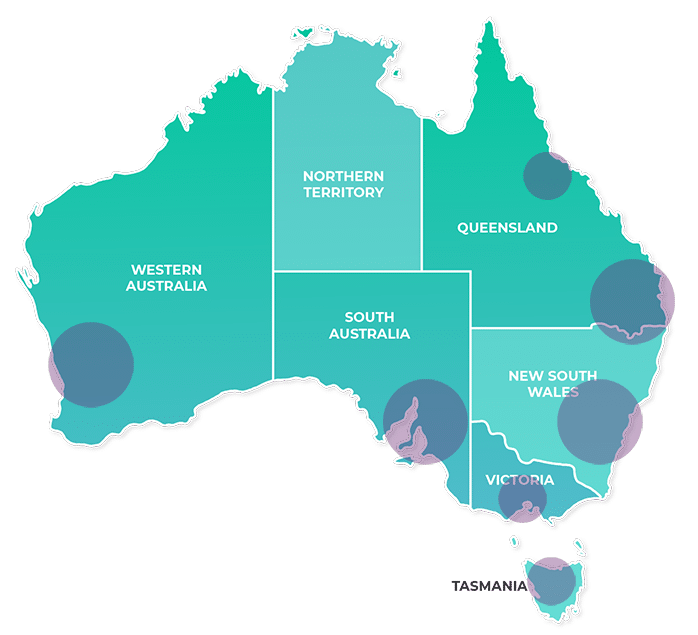
We service these areas across Australia, delivering in-home and community-based support.
Our Locations
New South Wales
- Campbelltown
- Hornsby
- Liverpool
- Newcastle
- Northern Beaches
- Parramatta
- Penrith
- Sydney
- Tweed Heads
- Wollongong
- Learn more about our NSW Services
Queensland
- Brisbane
- Bundaberg
- Caboolture
- Cairns
- Gold Coast
- Ipswich
- Logan
- North Lakes
- Redland Bay
- Springfield
- Sunshine Coast
- Townsville
- Learn more about our South East Queensland Services
South Australia
- Adelaide
- Blackwood
- Henley Beach
- Highbury
- Magill
- Mawson Lakes
- Morphett Vale
- Salisbury
- Seaford
- Seaton
- Stirling
- Learn more about our South Australia Services
Tasmania
- Devonport
- Launceston
- Learn more about our Tasmania Services
Victoria
- Cheltenham
- Craigieburn
- Dandenong
- Frankston
- Geelong
- Glen Waverley
- Melbourne
- Melton
- Werribee
- Learn more about our Victoria Services
Western Australia
- Baldivis
- Canning Vale
- Ellenbrook
- Joondalup
- Mandurah
- Midland
- Osborne Park
- Perth
- Rockingham
- Learn more about our Western Australia Services
Australian Capital Territory
- Canberra
Easy Read Guide
A plain-English guide to Physiotherapy and NDIS support.
Frequently Asked Questions
What is Physiotherapy?
Physiotherapy is a form of physical therapy that helps to build fine and gross motor function. It can assist with injury recovery or help with function for those with disabilities or those who are ageing. Physiotherapy treatment is effective for various medical conditions, improving patients’ quality of life, pain management, and overall physical function.
We also work collaboratively with other allied health professionals, such as Speech Pathologists and Dietitians, to provide comprehensive NDIS care tailored to each client’s physical and nutritional needs.
What types of Physiotherapy services are covered by the NDIS?
The NDIS covers Physiotherapy that aims to maintain function for longer, improve function, or reduce the rate of deterioration. The goals will all be determined by your disability type.
Participants with behaviours of concern may also benefit from integrated care with Positive Behaviour Support (PBS) if movement-related limitations are contributing to behavioural challenges.
What is the difference between Occupational Therapy and Physiotherapy?
Physiotherapy generally focuses on physical function, whereas Occupational Therapy is more holistic and focuses on physical, psychological, and emotional well-being. OT will also focus on equipment prescription and function across all domains of daily living, including domestic, personal, and community activities of daily living.
We often work alongside Psychology & Counselling services when physical limitations impact mental wellbeing or motivation to move and participate in everyday life.
Who is eligible for NDIS-funded Physiotherapy services?
Physiotherapy is generally funded when you have a physical disability. For example, a stroke, amputation or neurological disorder such as Multiple Sclerosis.
For children and teens with developmental delays or movement challenges, we also offer Paediatric support for ages 0–9 and 10–18 to build strength, coordination, and independence from a young age.
Bloom Healthcare offers Physiotherapy services in Sydney and the whole New South Wales region, Brisbane and other locations in South East Queensland, Melbourne and more places in Victoria, Perth and WA, Adelaide and South Australia, Canberra and Tasmania.
Do I need a referral to access Physiotherapy services through the NDIS?
No. You can refer yourself to Bloom Healthcare if you have an active NDIS plan with capacity-building support.
Can Physiotherapy help with pain management?
Yes. One of the goals of Physiotherapy may be to assist in managing pain.
What types of conditions can Physiotherapy help manage?
Physiotherapy can help with conditions such as stroke, brain injury, MS, MND or amputations. Please note that this list is not exhaustive.
This list isn’t exhaustive; we assess each individual to develop a personalised care plan, and may refer to other services such as Exercise Physiology to complement your rehabilitation and strength-building.
NDIS Physiotherapy
Bloom Healthcare offers Physiotherapy services designed to improve mobility, independence, and quality of life for individuals with disabilities. Our experienced team provides tailored in-home and community-based care, including neurological rehabilitation, hydrotherapy, and assistive technology support, all aligned with your NDIS plan.
Additional Information
How Our Tailored NDIS Physiotherapy Service Works
1. Understanding Your Needs
We start by getting to know your goals, challenges, and how your disability affects your daily life. Our team listens closely and creates a plan that works within your NDIS funding, making sure it aligns with your unique needs and goals.
2. Tailored Physiotherapy Plan
Our physiotherapists design a personalised plan focused on improving your physical health and well-being. This may include activities to improve mobility, strengthen limbs, better fine and gross motor functions, or manage pain. We also offer hydrotherapy, massage, and functional assessments to support your progress.
3. Hands-On Support & Rehabilitation
We work with you in your home or within the community, providing direct support through exercises and therapies that help with your specific mobility goals. Whether it’s stroke rehabilitation, strengthening muscles, or improving coordination, we guide you through each step of your recovery.
4. Achieving Greater Independence
Our goal is to help you improve your mobility and overall function, so you can achieve your personal goals and live a more independent life. Whether it’s increasing movement, managing pain, or gaining confidence, we focus on making real, lasting improvements to your daily life.
5. Ongoing Adjustments & Support
As your needs change, we adjust your physiotherapy plan to ensure you continue progressing. Our team works closely with you to monitor your results, offering encouragement and making changes to your plan as needed.
We are here whenever you need us
Bloom Healthcare acknowledges the Traditional Custodians of the land. We pay our respects to their Elders past and present, and extend that respect to all Aboriginal and Torres Strait Islander. We recognise their continuing connection to land, waters, and culture, and acknowledge that sovereignty was never ceded.